

Blog
7 Common Compressor Failures (Causes, Symptoms, and How to Prevent Them)
Compressors are the mechanical heart of HVAC and refrigeration systems. Their job is to compress refrigerant vapor and circulate it through the system so heat can be removed from one location and rejected elsewhere. Without a properly functioning compressor, the cooling cycle cannot operate.
When a compressor fails, cooling stops immediately. In commercial and industrial environments such as supermarkets, restaurants, manufacturing facilities, and large buildings, compressor failure will result in system downtime, inventory spoilage, equipment damage, and costly emergency repairs.
What many people do not realize is that compressors rarely fail without warning. In most cases, the compressor becomes the final component damaged by underlying system issues such as electrical imbalance, lubrication problems, refrigerant floodback, contamination, blocked/restricted condensing or evaporator coils or poor system design.
Understanding the most common compressor failure modes helps technicians, facility managers, and equipment owners diagnose problems faster and prevent repeat failures when replacing compressors.
In many cases, identifying the root cause of a failure can determine whether a compressor should be repaired on-site or upgraded to a newly remanufactured compressor that restores the unit to OEM performance standards.
The failure modes described in this article apply to most compressor types used in HVAC and refrigeration systems, including:
- Scroll compressors
- Reciprocating compressors
- Screw compressors
- Semi-hermetic compressors
- Hermetic compressors
Below are seven of the most common compressor failures, along with their causes, symptoms, and prevention strategies.
How HVAC and Refrigeration Compressors Work
To understand why compressors fail, it helps to understand their role within the AC/refrigeration cycle.
An HVAC or refrigeration compressor performs three essential functions.
Compress Refrigerant Vapor
The compressor draws low-pressure refrigerant vapor from the evaporator and compresses it into a high-pressure, high-temperature gas.
Circulate Refrigerant Through the System
The compressor acts like a pump that keeps refrigerant moving through the system’s key components:
- Evaporator
- Compressor
- Condenser
- Expansion device
This circulation allows heat to be absorbed indoors and rejected outdoors.
Maintain Pressure Differences
By maintaining a pressure difference between the low-pressure side and the high-pressure side of the system, the compressor enables refrigerants to absorb and release heat efficiently.
When something interferes with this process — such as liquid refrigerant entering the compressor, lack of lubrication, or electrical damage — internal components can be damaged quickly.
1. Electrical Failure
Electrical issues are one of the most common causes of compressor failure.
Inside most compressors is an electric motor that drives the compression mechanism. If the motor windings become overheated or electrically damaged, the compressor will stop operating.
Electrical failures often occur due to:
- Voltage imbalance between phases
- Power surges or electrical spikes
- Loose wiring connections
- Contactor or relay failure
- Excessive motor heat
In three-phase systems, even a small voltage imbalance can cause the motor to overheat. A 2–3 percent imbalance can increase motor temperature by more than 20 percent, potentially damaging the winding insulation.
Diagnostic Signs of Electrical Failure
Technicians often identify electrical compressor failures through electrical testing and inspection.
Common signs include:
- Burned or discolored motor windings
- Failed insulation resistance (meg-ohm) tests
- Repeated breaker trips
- Compressor failing to start
- High amperage draw during startup
Electrical failures may also create acid contamination in the refrigeration system, which must be addressed before installing a replacement compressor.
Preventing Electrical Compressor Failures
- Monitoring voltage balance between phases
- Inspecting electrical connections regularly
- Replacing worn contactors and relays
- Installing surge protection when necessary
2. Lubrication Failure
Compressors rely on oil to lubricate internal components such as bearings, pistons, and scroll elements. When oil circulation is interrupted, friction inside the compressor increases rapidly.
Lubrication failures typically occur when oil fails to return to the compressor from other parts of the refrigeration system.
Common causes include:
- Oil trapped in evaporators or suction lines
- Broken suction and/or discharge valves allowing the crankcase to get overpressurized.
- Improper piping design
- Refrigerant leaks carrying oil away
- Low refrigerant velocity preventing oil return
- Contaminated compressor oil
When oil does not return properly, the compressor may experience oil starvation, which can quickly damage bearings and internal surfaces.
Symptoms of Lubrication Failure
- Loud mechanical noise
- Rising compressor temperature
- Increased amp draw
- Metal particles in oil samples
- Premature bearing wear
Preventing Oil Circulation Problems
Proper system design and maintenance help prevent lubrication failures.
Important practices include:
- Correct suction line sizing
- Proper oil trap placement in vertical piping
- Maintaining adequate refrigerant velocity
- Routine oil analysis
3. Refrigerant Floodback
Floodback occurs when liquid refrigerant returns to the compressor during normal operation instead of fully evaporating in the evaporator.
Compressors are designed to compress vapor, not liquid. When liquid refrigerant enters the compressor, it can dilute the oil and reduce the effectiveness of lubrication.
Floodback conditions are commonly caused by:
- Malfunctioning expansion valves
- Oversized equipment operating under low load
- Poor airflow across the evaporator coil
- Defrost control problems
- Low evaporator load conditions
Over time, repeated floodback events dilute compressor oil and increase wear on internal components.
Diagnosing Floodback
Technicians often look for several indicators when diagnosing floodback:
- Low superheat readings
- Oil foaming inside the crankcase
- Frost forming on the compressor shell
- Oil dilution during oil analysis
If floodback is not corrected, lubrication failure and mechanical damage can occur.
4. Liquid Slugging
Slugging is one of the most destructive compressor failure events.
Unlike floodback, which occurs during normal operation, slugging happens when a large volume of liquid refrigerant or oil suddenly enters the compressor during startup.
Because liquids cannot be compressed, the force generated during compression can cause immediate mechanical damage.
Slugging may result in:
- Broken suction and/or discharge valves
- Bent connecting rods
- Cracked pistons
- Damaged scroll elements
Slugging often occurs when refrigerant migrates into the compressor during off cycles and condenses into liquid. Oil can also get trapped in the system low points and then when it becomes significant enough, the flow of vapor will move the “slug” into the suction of the compressor.
Common causes include:
- Failed crankcase heaters
- Refrigerant migration during shutdown
- Improper system design
- Long off cycles with low ambient temperatures
Technicians often hear loud knocking sounds during startup when slugging occurs.
5. Compressor Overheating
Excessive heat is a major contributor to compressor failure.
While compressors normally generate heat during operation, certain system conditions can cause temperatures to rise beyond safe operating limits.
Common causes of overheating include:
- Dirty condenser coils
- High discharge pressure
- Restricted airflow across condensers
- Low refrigerant charge
- High compression ratios
- Low mass flow
- Low superheat
When compressor temperatures become too high, oil begins to break down and lose its lubricating properties. Heat can also damage motor insulation and electrical components.
Symptoms of Compressor Overheating
- High discharge temperature readings
- Burned oil odor
- Discolored compressor shell
- Increased electrical current draw
If overheating continues for extended periods, the compressor motor may eventually burn out.
6. System Contamination
Contamination inside refrigeration systems is a major cause of compressor damage.
Contaminants that can harm compressors include:
- Moisture
- Acid formation
- Dirt and debris
- Metal particles from previous failures
Moisture is especially dangerous because it can react with refrigerant and oil to form acids that attack metal components and motor insulation.
Contamination often occurs when:
- Systems are not properly evacuated during installation
- Filter driers are missing or clogged
- Burnout cleanup procedures are skipped
- Refrigerant lines are left open during service
Once contamination spreads through a system, it can lead to repeated compressor failures if not fully removed.
7. System Design or Application Issues
In some cases, compressors fail because they were improperly applied or sized for the system.
System design problems can place excessive stress on compressors and significantly reduce their lifespan.
Examples include:
- Incorrect compressor sizing
- Improper piping design
- Poor oil return layout
- Excessively long line sets
- Incorrect refrigerant selection
- Excessive elevation changes between the condenser, compressor and/or evaporator
These issues are especially common when systems are retrofitted or modified without adjusting compressor capacity.
When compressors operate under constant strain due to poor design conditions, premature failure becomes more likely.
Quick Reference: Common Compressor Failures
| Failure Type | Primary Cause | Common Symptoms |
|---|---|---|
| Electrical failure | Voltage imbalance or overheating | Burned windings, breaker trips |
| Lubrication failure | Oil starvation | Loud mechanical noise, overheating |
| Floodback | Liquid refrigerant during operation | Oil dilution, frost on compressor |
| Slugging | Liquid entering during startup | Loud knocking, internal damage |
| Overheating | High discharge pressure | Burned oil smell, high amp draw |
| Contamination | Moisture or acid in system | Corrosion, repeated failures |
| Design issues | Improper system configuration | Premature compressor wear |
Root Causes Behind Most Compressor Failures
Although compressors fail in different ways, the underlying causes typically fall into several categories.
Poor Maintenance
Dirty condenser coils, clogged filters, leaking system, and neglected maintenance can lead to overheating and pressure problems.
Improper Installation
Incorrect piping design or missing oil traps can prevent oil from returning to the compressor.
Refrigerant Management Problems
Incorrect refrigerant charge levels may cause overheating or floodback conditions.
Electrical Instability
Voltage imbalance or power fluctuations can damage compressor motors over time.
Identifying and correcting the root cause of a compressor failure is critical before installing a replacement unit.
Signs a Compressor May Be Failing
Before a compressor completely fails, several warning signs may appear.
Common indicators include:
- Loud knocking or grinding noises
- Increased electrical current draw
- Reduced cooling performance
- Short cycling
- High discharge temperatures
- Oil leaks around the compressor
Recognizing these early warning signs can allow technicians to diagnose problems before catastrophic compressor failure occurs.
Preventing Compressor Failure
While compressors eventually wear out, many failures can be prevented through proper maintenance and monitoring.
Preventive maintenance practices include:
- Regular electrical inspections
- Monitoring voltage balance
- Maintaining proper refrigerant charge
- Cleaning condenser coils
- Checking superheat and subcooling levels
- Performing routine oil analysis
- Replacing filter driers during service
Preventative maintenance helps identify system problems early before they cause permanent compressor damage.
Frequently Asked Questions About Compressor Failures
What is the most common cause of compressor failure?
The most common causes of compressor failure include lubrication problems, electrical issues, and liquid refrigerant/oil entering the compressor. In many cases, the compressor fails because of larger system problems.
How long should an HVAC compressor last?
Most compressors last between 10 and 15 years when installed and maintained properly. However, system issues can significantly shorten compressor lifespan.
What happens when a compressor fails?
When a compressor fails, refrigerant circulation stops and the system can no longer remove heat effectively. This results in loss of cooling and system shutdown.
Can a failed compressor be repaired?
Some compressors can be repaired or remanufactured depending on the failure type. However, severe electrical burnout or mechanical damage often requires full replacement.
Final Thoughts
Compressor failures rarely occur without warning. In most cases, the compressor becomes the victim of larger system issues such as electrical imbalance, lubrication loss, refrigerant problems, contamination, or poor system design.
Understanding these seven common compressor failure modes allows technicians and facility operators to diagnose problems faster, prevent repeat failures, and extend the lifespan of HVAC and refrigeration equipment.
When a compressor does fail, identifying the root cause before installing a replacement is essential. Otherwise, the same underlying problem may quickly damage the new compressor as well.
Remanufactured vs Refurbished vs Rebuilt Compressors
Cost, Risk, and Lead Time Analysis for Commercial HVAC and Refrigeration
When a commercial HVAC or refrigeration compressor fails, replacement decisions are often made under pressure. Downtime is expensive. Lead times are uncertain. And terminology in the market is frequently misused.
Words like remanufactured, refurbished, and rebuilt are often treated as interchangeable, but in practice they describe very different processes, levels of verification, and risk profiles.
Understanding these differences is critical. Choosing the wrong replacement can lead to compatibility issues, shortened service life, or repeat failures that cost far more than the initial savings.
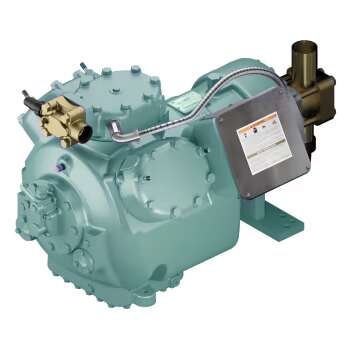
City Compressor supplies fully remanufactured compressors to OEM specifications for commercial HVAC and refrigeration systems, with model verification support to confirm compatibility before installation.
Quick Comparison Overview
| Factor | Fully Remanufactured to OEM Specifications | Rebuilt | Refurbished |
|---|---|---|---|
| Process Scope | Complete teardown, inspection, component replacement as required, pressure testing, electrical testing, and performance verification | Partial teardown and selective repair | Cosmetic or limited functional work |
| OEM Specification Alignment | Yes | Not guaranteed | No |
| Testing and Verification | Pressure-tested, leak-checked, electrically and performance tested | Varies widely | Often minimal or none |
| Typical Upfront Cost | Often lower than new, commonly cited 30% to 50% savings in commercial contexts | Lower than remanufactured but higher risk | Lowest upfront cost |
| Lead Time | Often faster than new, depending on inventory and model | Variable | Usually fast |
| Risk Profile | Lower when model and application are verified | Moderate to high | High |
| Best Fit | Urgent downtime, drop-in replacements, long OEM lead times | Budget-driven short-term fixes | Temporary or non-critical applications |
Note: Actual cost, availability, and lead time depend on compressor type, OEM platform, refrigerant, voltage, application, and market conditions.
What “Fully Remanufactured to OEM Specifications” Means
A compressor that is fully remanufactured to OEM specifications is not cosmetically refreshed and it is not selectively repaired.
This process includes:
- Complete teardown to bare components
- Detailed inspection of critical wear surfaces and components
- Replacement of components that do not meet OEM tolerances
- Reassembly to OEM specifications
- Pressure testing and leak checking
- Electrical testing
- Performance verification
The objective is to deliver a drop-in replacement that matches the original compressor’s mechanical, electrical, and application requirements.
City Compressor documents and follows this approach for the compressors it supplies, supporting commercial HVAC and refrigeration systems where compatibility and reliability matter.
What “rebuilt compressor” typically means in the field
The term rebuilt compressor is not governed by a consistent industry standard.
In most commercial contexts, rebuilt commonly means:
- Partial teardown
- Replacement of the failed component or obvious damaged parts
- Limited testing, often without full performance verification
While some rebuilds may perform adequately, others may retain worn components that shorten service life. Because scope and testing vary significantly, rebuilt compressors introduce higher uncertainty, especially in critical or continuous-duty systems.
What a “refurbished compressor” usually indicates
Refurbished is the least precise and least controlled term.
In Many cases, refurbishment involves:
- Cleaning
- Cosmetic work
- Limited functional checks
Refurbished compressors are rarely returned to OEM specifications and often lack full pressure, electrical, or performance testing. They may be appropriate only for short-term use or non-critical applications.
For mission-critical refrigeration or commercial HVAC systems, refurbishment typically carries the highest operational risk.
Cost drivers that actually matter
The real cost of a compressor replacement extends far beyond the purchase price.
Compressor acquisition cost
Fully remanufactured commercial compressors are commonly cited as costing less than new, often in the 30% to 50% savings range depending on model, size, and market conditions.
Rebuilt and refurbished options may appear cheaper upfront but often carry higher lifecycle risk.
Downtime exposure
Downtime is frequently the largest hidden cost.
If a replacement is delayed or fails prematurely, facilities may face:
- Production loss/downtime
- Temporary cooling or refrigeration rentals
- Overtime labor
- Expedited freight
- Process or tenant disruption
Industry discussions around OEM compressor availability routinely reference lead times extending from weeks into months, particularly for large or specialized units.
Installation and system cleanup
Even a true drop-in replacement still requires labor. After an electrical burnout or contamination event, additional steps are often required.
Burnout and contamination cleanup
If the failed compressor produced acids or debris, industry guidance commonly recommends:
- Proper filter drier selection
- Suction line filtration in severe cases
- Oil testing and rechecking after startup
Skipping cleanup steps can compromise any replacement compressor, regardless of whether it is new or remanufactured.
Lead time realities in commercial HVAC and refrigeration
OEM compressors are factory-built and distributed through OEM channels. Availability depends on:
- Manufacturing schedules
- Component supply chains
- Seasonal demand
- Model specificity
For many commercial and industrial compressors, lead times are not immediate. Industry commentary regularly cites weeks to months for certain models.
Fully remanufactured compressors can reduce lead time risk when inventory is available or when remanufacturing turnaround is faster than OEM production.
Where City Compressor’s supported compressor types fit best
City Compressor focuses on compressor platforms commonly used in commercial and industrial environments where speed and compatibility are critical.
Reciprocating (semi-hermetic) compressors
Widely used in commercial refrigeration and serviceable HVAC applications where precise model matching is required.
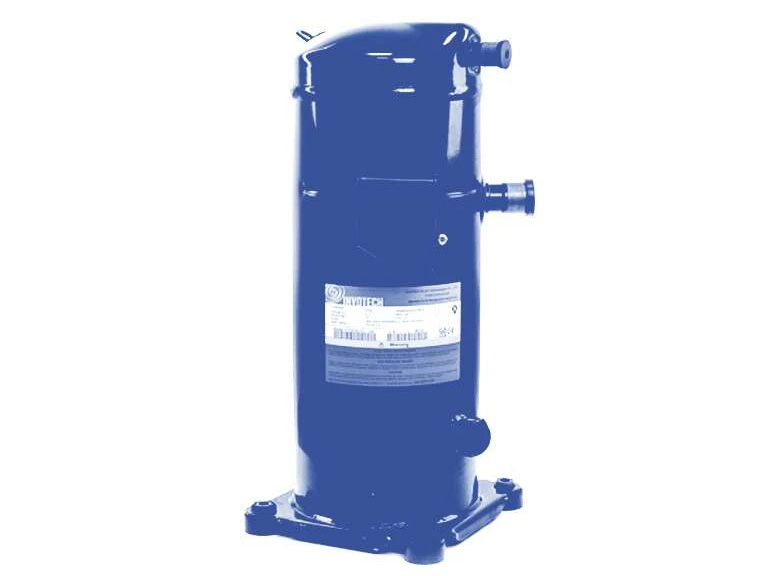
Scroll compressors
Common in packaged systems and commercial HVAC where compact footprint and efficiency are priorities.
Screw compressors
Used in higher-capacity commercial and industrial systems with continuous duty requirements.
When a fully remanufactured compressor is usually the best choice
A fully remanufactured compressor is often the strongest operational decision when:
- The system is down and time is the primary risk
- OEM lead times are extended
- A verified drop-in replacement is required
- Capital cost needs to be controlled without sacrificing compatibility
- The existing equipment platform is otherwise stable
When new systems can still make sense
New systems can be the right choice when:
- The project involves new construction or a major system redesign
- OEM program or warranty requirements mandate new equipment
- The new unit is available within the required timeline
- Broader system issues mean that replacing only the compressor is not sufficient
The verification checklist that prevents expensive mistakes
Before selecting any replacement compressor, confirm:
- Full compressor model number and suffix codes
- Refrigerant and oil type
- Voltage and phase
- Application type (HVAC, refrigeration, low temperature, medium temperature, process)
- Failure mode of the original compressor
- Required cleanup steps following burnout or contamination
Verification at this stage prevents mismatches, premature failures, and unnecessary downtime.
Video: City Compressor process overview
Get a cost and lead time answer for your exact model
If you provide your compressor model number and system details, City Compressor can confirm compatibility, application requirements, and replacement options.
Request a quote for a fully remanufactured compressor to OEM specifications and get clear answers before downtime gets expensive.
Types of Commercial Refrigeration Compressors and How to Choose the Right One
Commercial and industrial refrigeration systems support critical operations across food storage, cold storage, pharmaceuticals, manufacturing, and process cooling. System reliability, efficiency, and uptime depend heavily on selecting the correct compressor for the application.
At the center of every commercial refrigeration system is the compressor. It circulates refrigerant through the system, enables heat transfer, and directly affects cooling capacity, energy consumption, and long-term system performance. Understanding compressor design differences helps ensure proper selection, reliable operation, and serviceability over time.
This guide explains the main types of commercial refrigeration compressors, with a focus on the compressor designs most commonly used in commercial and industrial systems and supported by City Compressor.
What Is a Commercial Refrigeration Compressor
A refrigeration compressor increases the pressure of refrigerant vapor and moves it through the refrigeration circuit. This process allows refrigerants to absorb heat at the evaporator and reject heat at the condenser, enabling controlled cooling.
In commercial environments, compressor selection directly impacts:
- System capacity and temperature stability
- Continuous-duty performance
- Energy efficiency
- Maintenance and service requirements
- Equipment lifespan
Different compressor designs are engineered for different load profiles and operating conditions. Selecting a compressor that aligns with system demand is essential for dependable operation.
Commercial Refrigeration Compressor Types Commonly Supported
City Compressor specializes in fully remanufactured commercial refrigeration compressors restored to OEM specifications. The following compressor types represent the most common and practical solutions for commercial and industrial systems.
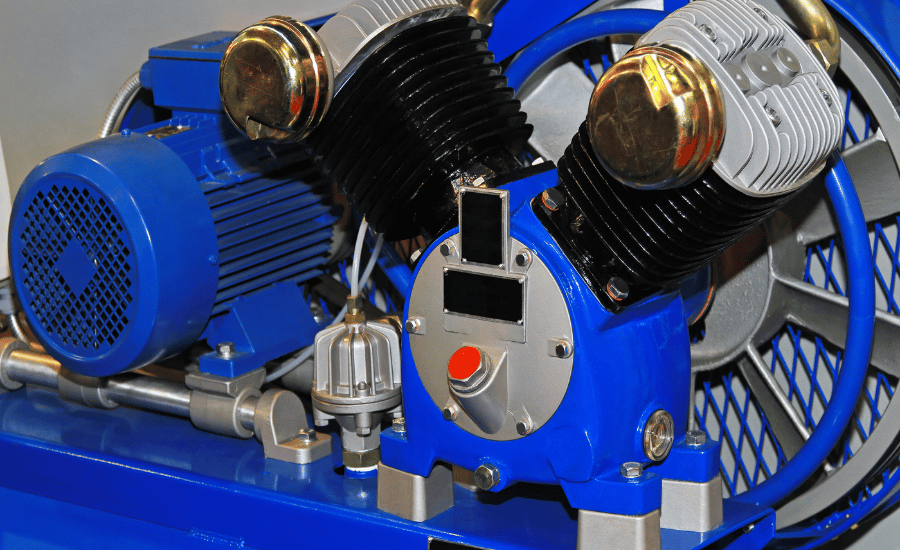
Reciprocating Compressors
Reciprocating compressors use pistons driven by a crankshaft to compress refrigerant within cylinders. This proven design remains widely used in commercial refrigeration due to its durability, flexibility, and serviceability.
Common applications include:
- Walk-in coolers and freezers
- Food service refrigeration
- Process cooling systems with variable loads
Why they are commonly selected:
- Broad refrigerant compatibility
- Serviceable internal components
- Well suited for low to medium-capacity systems
Reciprocating compressors remain a practical choice for many commercial refrigeration applications where reliability and ease of service are priorities.
Scroll Compressors
Scroll compressors use two spiral scroll elements, one fixed and one orbiting, to compress refrigerant smoothly and continuously. Fewer moving parts contribute to stable operation and reduced vibration.
Common applications include:
- Packaged commercial refrigeration systems
- Commercial rooftop units
- Medium-capacity cooling applications
Why they are commonly selected:
- Smooth and efficient compression
- Compact footprint
- Reduced vibration and mechanical stress
Scroll compressors are widely used in commercial systems that require efficient operation and consistent performance within moderate capacity ranges.
Screw Compressors
Screw compressors use two interlocking helical rotors to compress refrigerant continuously. This design supports high refrigerant flow rates and stable output under sustained operating conditions.
Common applications include:
- Cold storage warehouses
- Food processing and distribution facilities
- Large commercial refrigeration systems
- Industrial refrigeration plants
Why they are commonly selected:
- Designed for continuous-duty operation
- Excellent capacity control under heavy load
- Long service life when properly maintained
Screw compressors are the preferred solution for large-scale commercial and industrial refrigeration systems where uptime and reliability are critical.
Other Compressor Types in Commercial Refrigeration
Some compressor designs are used in refrigeration and cooling systems but are less common in typical commercial refrigeration applications or fall outside the scope of standard remanufactured offerings.
Centrifugal Compressors
Centrifugal compressors increase refrigerant pressure using high-speed rotating impellers rather than positive displacement. These compressors are typically found in very large chiller and district cooling systems.
While efficient at full load, centrifugal compressors are generally limited to large-scale installations and are not commonly used in standard commercial refrigeration environments.
Key Factors When Selecting a Commercial Refrigeration Compressor
Cooling Capacity and Load Profile
Accurate load calculations ensure the compressor matches system demand. Systems operating continuously under high load often require different compressor designs than systems with variable demand.
Energy Efficiency and Operating Cost
Compressor efficiency influences long-term operating costs. Selecting a design that aligns with system usage patterns improves overall energy performance.
Operating Environment
Ambient conditions, operating hours, and duty cycle affect compressor selection. Commercial and industrial environments often require compressors designed for sustained operation.
Maintenance and Serviceability
Ease of servicing affects downtime and long-term cost. Compressor designs that allow inspection and component replacement support extended service life.
Matching Compressor Type to Commercial Applications
- Small to medium commercial refrigeration systems often use reciprocating or scroll compressors for balanced performance and serviceability.
- Medium-capacity commercial systems commonly rely on reciprocating compressors for efficient and stable operation.
- Large commercial and industrial refrigeration systems typically require screw compressors to manage high loads and continuous-duty operation.
Providing system details such as model number, refrigerant type, voltage, and operating conditions helps confirm the correct compressor selection.
Final Takeaways
Selecting the correct refrigeration compressor is essential for dependable commercial system performance. Capacity requirements, operating conditions, efficiency goals, and service expectations must be evaluated together.
Reciprocating, scroll, and screw compressors represent the most widely used and supported compressor designs in commercial and industrial refrigeration. Understanding how each design operates and its respective limitations helps ensure the correct solution is selected for long-term reliability and performance.
For system-specific guidance, confirming compressor compatibility ensures the replacement aligns with original equipment requirements and operating demands. Contact City Compressor if you have any questions about your compressor.

Screw vs Scroll Compressor Comparison
Commercial HVAC and refrigeration systems rely on different compressor designs to support capacity, efficiency, and long-term performance. Screw and scroll compressors are two of the most common types used in these systems. Both are classified as positive displacement compressors, meaning they compress refrigerant by reducing the volume inside the compression chamber. Each design uses a different internal mechanism and serves different system demands. City Compressor restores the screw compressor type to OEM specifications with complete tear-down, inspection, component replacement, and multi-stage testing.
This comparison explains the differences between screw and scroll compressors and how each design works
How Screw Compressors Operate

Screw compressors use a matched pair of screw rotors that compress refrigerant as the screws turn. These compressors support high capacities and stable operation in continuous-duty environments such as chillers and large commercial HVAC and refrigeration systems. Their internal geometry requires precise tolerances for proper performance.
Key characteristics
- Uses two interlocking screw rotors
- Supports high refrigerant flow rates
- Handles large tonnage systems
- Operates well in continuous-duty applications
- Requires correct rotor alignment and bearing support
Common applications
- Chillers
- Industrial cooling systems
- Large commercial HVAC units
- High-demand refrigeration applications
How Scroll Compressors Operate

Scroll compressors use two scroll sets, one fixed and one orbiting, to compress refrigerant. The design produces smooth, efficient compression with fewer moving parts. Scroll compressors are widely used in packaged and split-system HVAC compressor units and many commercial medium temperature cooling applications.
Key characteristics
- Uses a fixed and orbiting scroll set
- Produces smooth, efficient compression
- Supports medium-capacity cooling loads
- Compact operation for packaged systems
- Fewer internal components
- Quiet operation
Common applications
- Packaged HVAC units
- Split-system air conditioners
- Commercial rooftop units
- Light and medium commercial refrigeration
Design and Structure Comparison
Screw compressors use two helical screw rotors that compress refrigerant as the screwsturn. This design supports high-capacity cooling applications and continuous-duty operation in commercial and industrial environments.
Scroll compressors use a stationary scroll and an orbiting scroll to create compression chambers. This configuration supports stable, efficient compression with fewer internal components with quieter operation. Scroll compressors are typically compact and are used widely in light and medium commercial HVAC equipment.
Remanufacturing Screw Compressors
City Compressor restores screw compressors to “like new” condition following a complete OEM-guided process. Every step ensures that rotor clearances, bearings, and internal surfaces match original performance expectations.
Remanufactured steps for screw compressors
- Full teardown and cleaning
- Inspection of rotors, bearings, housings, and oil paths
- Verification of rotor alignment and clearances
- Replacement of worn components with OEM-grade parts
- Reassembly with correct tolerances
- Pressure testing and leak checking
- Electrical testing and performance verification
Each screw compressor is prepared as a dependable drop-in replacement for faulty commercial systems that run under heavy load.
Screw vs Scroll Compressor Comparison
| Feature | Screw Compressor | Scroll Compressor |
| Internal mechanism | Paired screw rotors | Fixed and orbiting scroll |
| Capacity range | Medium to high | Low to medium |
| Common applications | Chillers, industrial cooling, large commercial HVAC | Packaged units, split systems, commercial HVAC |
| Moving parts | More internal components | Fewer internal components |
| Efficiency profile | Stable under continuous duty | Smooth, efficient compression |
| Remanufactured focus | Rotor clearances, bearings and alignment | New |
Which Compressor Type Does Your System Require
Both compressor designs support different cooling demands. Screw compressors are used in high-capacity systems that operate under substantial load. Scroll compressors are used in light to medium-capacity applications where stable and efficient performance is required. Providing the model number and system details allows City Compressor to confirm the correct compressor type for your equipment and recommend an appropriate replacement.
Get A Quote For Screw Or Scroll Compressors
Provide your model number. Our team will confirm availability and prepare your replacement compressor.