

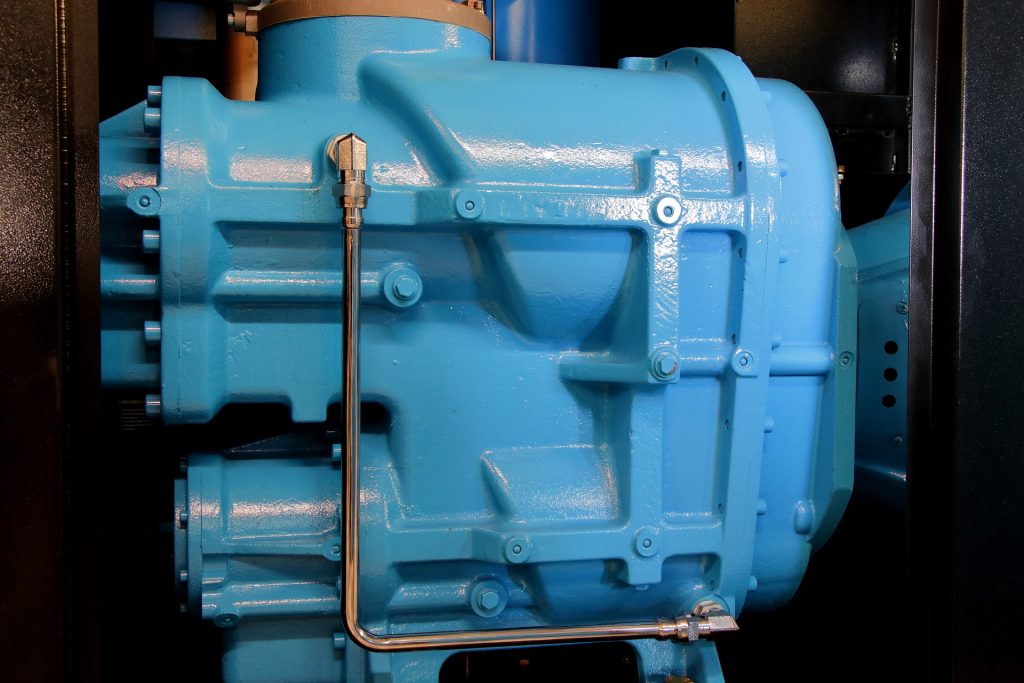
If your air conditioner is running but rooms still feel warm air, you may be dealing with a compressor issue or a condition that looks like compressor failure. This guide explains the key warning signs a facilities manager/employee/owner can spot, what a certified HVAC technician will test, and when to fix, repair, or replace the unit so you can get cool air again.
How the ac compressor works inside your air conditioning unit
The compressor is the heart of the air conditioning system. It draws in low-pressure gas from the evaporator, compresses it into high-pressure gas, and sends it to the condenser unit, where heat leaves the system. The refrigerant cools back to liquid and returns through the expansion valve to the evaporator coils, where cold air is produced. If the compressor motor cannot move refrigerant, the air conditioner loses cooling power, and the AC unit begins to struggle.
Fast symptoms checklist
- Warm air is blowing from the air vents while the outdoor unit is spinning
- Insufficient cooling from the air conditioning unit, even during long cycles
- The circuit breaker trips when the AC unit starts or randomly during operation
- Loud noises and unusual noises at the condenser unit, including buzzing, knocking, or grinding
- Hot discharge line and an overheated compressor shell
- Visible oil stains or refrigerant leaks near fittings, valves, or compressor parts
Key indicator: Many signs that look like a bad AC compressor are actually airflow problems, low refrigerant charge, control faults, or electrical problems. Rule out simple items before condemning the compressor or other internal parts.
What causes a faulty or failed compressor
Low refrigerant and refrigerant leaks
Low refrigerant reduces cooling power and forces the AC compressor to run hotter. If there is not enough refrigerant, the compressor runs with poor lubrication/cooling and can overheat. Always find and fix the leak, then restore proper refrigerant levels to avoid premature failure.
Airflow restrictions in the indoor unit
Dirty filters, clogged return paths, and frosted evaporator coils reduce heat transfer. Poor airflow makes the HVAC system work too hard, which raises pressure and temperature extremes. This extra heat is tough on the compressor and can lead to a failed compressor.
Outdoor unit and condenser problems
A dirty condenser, bent fins, or debris packed around the outside unit block heat rejection. Clean coils and clear debris to lower head pressure, protect the compressor and bring back cold air. Make sure the outdoor unit fan pulls a strong column of air inside the shroud and exhausts warm air evenly.
Metering and control faults
A sticking expansion valve, faulty sensors or a faulty relay switch can starve the evaporator or flood the compressor with liquid. Either condition is an internal problem that can damage valves, bearings and other internal parts of the compressor.
Electrical problems
Weak capacitors, old soiled contactors, loose lugs, undersized conductors, and faulty wires raise amp draw, which can trip the circuit breaker. Electrical checks belong to an experienced technician or professional.
Moisture and contamination
Moisture or acid in the system can attack metal surfaces and windings. After major service, replace the filter drier or receiver drier and pull a deep vacuum to protect the HVAC unit.
Safe checks you can do before calling a pro
Only do basic observation. Leave work that involves pressure, refrigerant or live power to certified professionals.
- Airflow first
Replace the filter and verify every supply and return is open. Look for frost on evaporator coils, which points to low refrigerant or restricted airflow. Make sure air inside the building moves freely through the system. - Outdoor inspection
Shut off power, clear leaves from the condenser, then restore power and observe. A healthy outdoor unit moves a lot of air and rejects heat evenly. Listen for any noise at startup or shutdown. - Thermostat and control reset
Confirm set points and modes. If the circuit breaker tripped, reset it once after the unit cools and see if the AC compressor starts normally. DO NOT RESET IT MORE THAN ONCE IF IT TRIPS AGAIN. - Professional measurements
An HVAC professional will check suction and discharge pressures, refrigerant levels, superheat, subcooling, motor amps, and temperature splits. These readings confirm whether you have an ac compressor failure or a different compressor issue.
When the circuit breaker keeps tripping
Frequent trips are a warning sign. A compressor that pulls too much power can overheat and cause a temperature increase inside the electrical windings. It can also indicate tight bearings, a shorted winding, or airflow problems that keep heat inside the cabinet. Do not keep resetting the breaker. Have an HVAC technician test the compressor, wiring, and controls.
Noises you should not ignore
Noise at the outdoor unit is useful information. Clicking can point to a faulty relay switch. Humming may suggest low voltage or a locked rotor. Rattling often means that clearing debris from the fan guard is needed. Grinding or metal-on-metal noise can mean severe wear inside the compressor. If you hear repetitive knocking, shut the unit off and schedule service to prevent further damage.
Repair, remanufacture or replace
- Fix the system cause
If airflow, controls or electrical supply issues caused the problem, fix those first. DIY repairs are not recommended for sealed systems, but you can keep coils clean and maintain clear airflow paths. - Component repair
On some models a pro can replace valve plates, gaskets or specific compressor parts following manufacturer guidance. - Exchange or replace
When testing confirms a bad AC compressor, a remanufactured exchange or a new compressor can be the fastest path back to cool air. Your hvac professional will weigh model, age and availability. In some cases full system replacement may save money long term.
Tip: Any time a compressor is opened or replaced, replace the filter drier or receiver drier, evacuate moisture and verify charge. If the compressor is replaced, replace the contactor as well. This protects the new unit from future damage.
Prevention that extends compressor life
- Keep the condenser and evaporator coils clean and the outside unit free of debris
- Maintain airflow with clean filters and open returns
- Fix leak sources quickly so the system always has enough refrigerant
- Schedule regular maintenance with a qualified HVAC technician
- Verify controls and wiring annually to prevent too much power draw
Remanufactured compressors for HVAC, refrigeration, and chiller fleets
City Compressor supports a wide range of equipment types and OEM families so facilities teams can standardize on a single supplier. Inventory spans semi-hermetic reciprocating, screw, scroll, and hermetic platforms for commercial HVAC, refrigeration, and chiller applications.
Shop by technology
- Semi Hermetic: https://citycompressor.com/compressors/semi-hermetic-compressors/
- Screw: https://citycompressor.com/compressors/screw-compressors/
- Scroll: https://citycompressor.com/product-category/scroll/ and Bitzer Scroll: https://citycompressor.com/product-category/bitzer-scroll/
- Hermetic: https://citycompressor.com/product-category/hermetic/
Shop by manufacturer family
- Carrier Carlyle
- Copeland
- Trane
- Semi hermetic CRHK series: https://citycompressor.com/compressors/semi-hermetic-compressors/trane/trane-crhk-compressor/
- Screw CHH series: https://citycompressor.com/compressors/screw-compressors/trane-screw-compressors/
- York
- Bitzer
- Category hub: https://citycompressor.com/product-category/bitzer/
- ORBIT scroll: https://citycompressor.com/product-category/bitzer-scroll/
- McQuay and Daikin
If the exact model is not listed, the team can cross-reference and source or remanufacture equivalents. Start at the full catalog to filter by brand, technology, HP, and voltage: https://citycompressor.com/products/
Next steps
Need a dependable replacement fast
City Compressor supplies remanufactured semi-hermetic, screw, and hermetic compressors across major OEM families, including Carrier/Carlyle/Totaline, Copeland, Trane, York, Bitzer, McQuay, Danfos and Daikin as with new scrolls. Every unit is fully inspected and performance tested.
- Browse inventory: https://citycompressor.com/products/
- Send your model number for a same-day cross-reference and quote: https://citycompressor.com/quotes/
- Talk to a specialist: https://citycompressor.com/contact-us/